Medical &
Life Sciences
Diagnostic-device housings, equipment enclosures, and cart shrouds with Class-A cosmetic surfaces — pressure-formed to an injection-molded look without injection-molded tooling cost.
Why is thermoforming used for medical device housings?
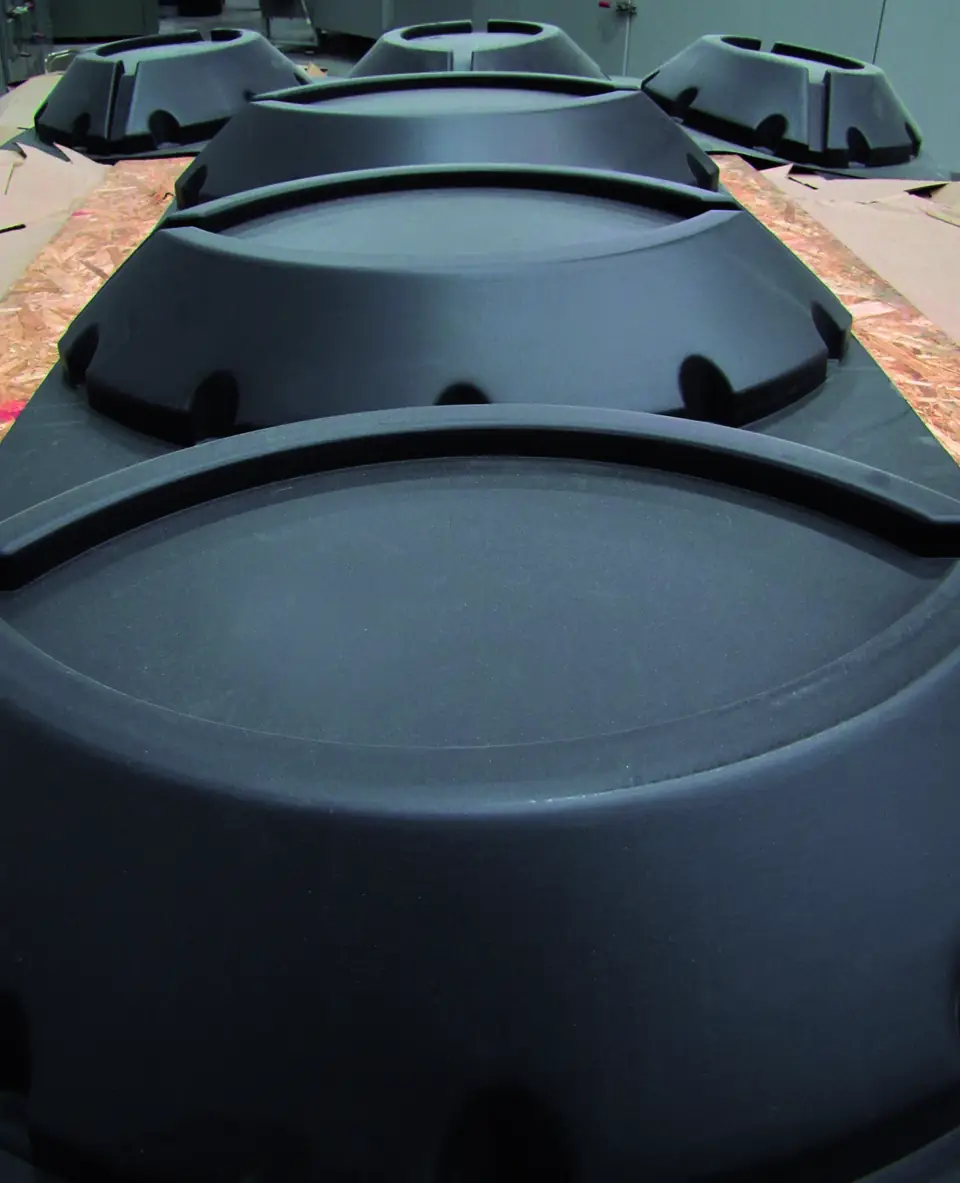
Pressure forming gives medical-device OEMs an injection-molded cosmetic appearance — crisp detail, defined texture, cleanable Class-A surfaces — at a fraction of injection tooling cost. That economics fits the low-to-mid annual volumes typical of capital medical equipment, where injection molding rarely pays off.
Parts for Medical & Life Sciences
- Diagnostic and imaging device housings
- Equipment and instrument enclosures
- Mobile cart shrouds and covers
- Gantry and bezel components
- Cleanable cosmetic panels
- Access doors and service panels
Why this industry forms
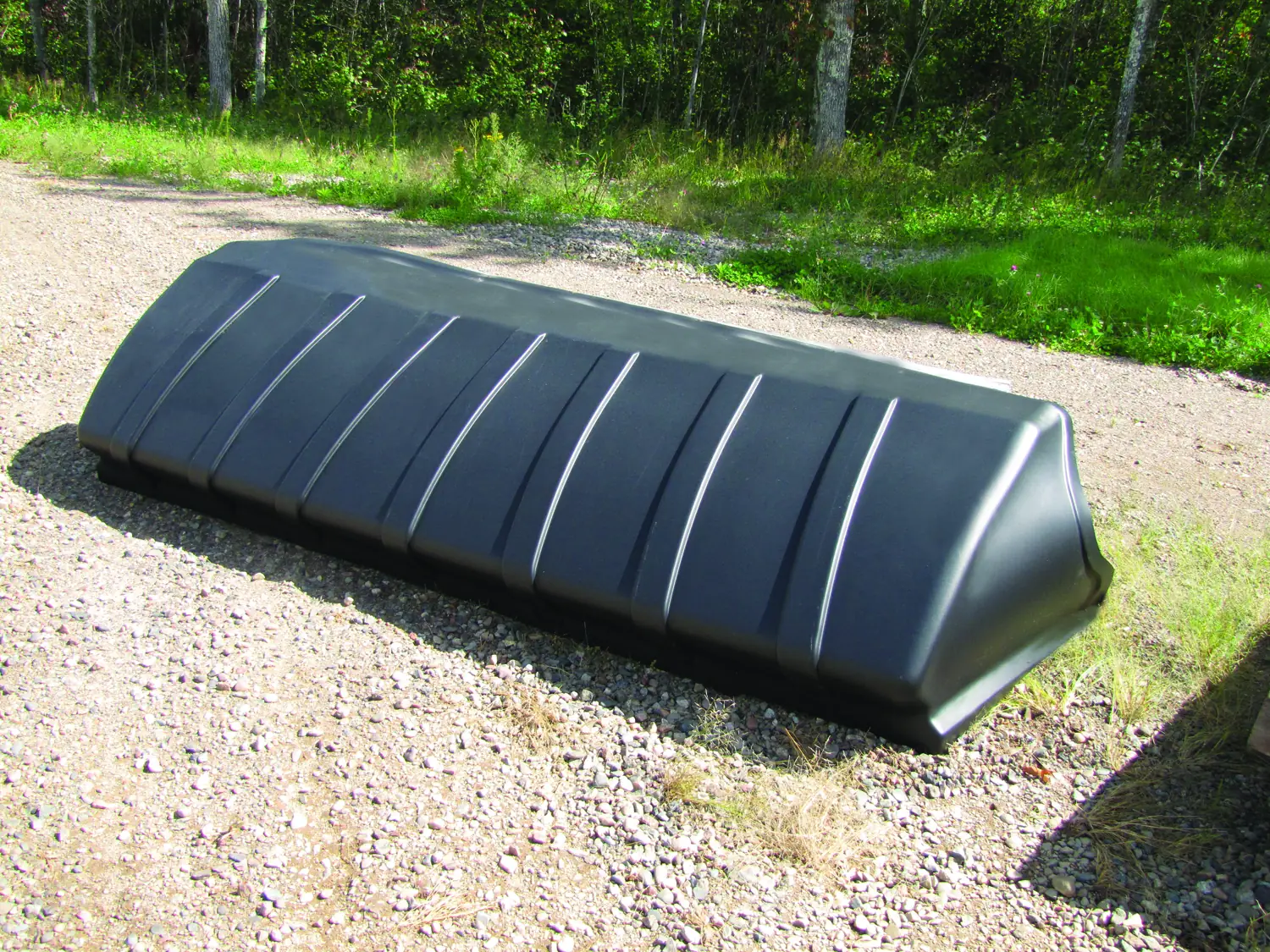
Capital medical equipment ships in hundreds, not millions, so injection tooling rarely amortizes. Pressure forming delivers the same cleanable, Class-A cosmetic enclosure the application demands at tooling cost that fits the volume.
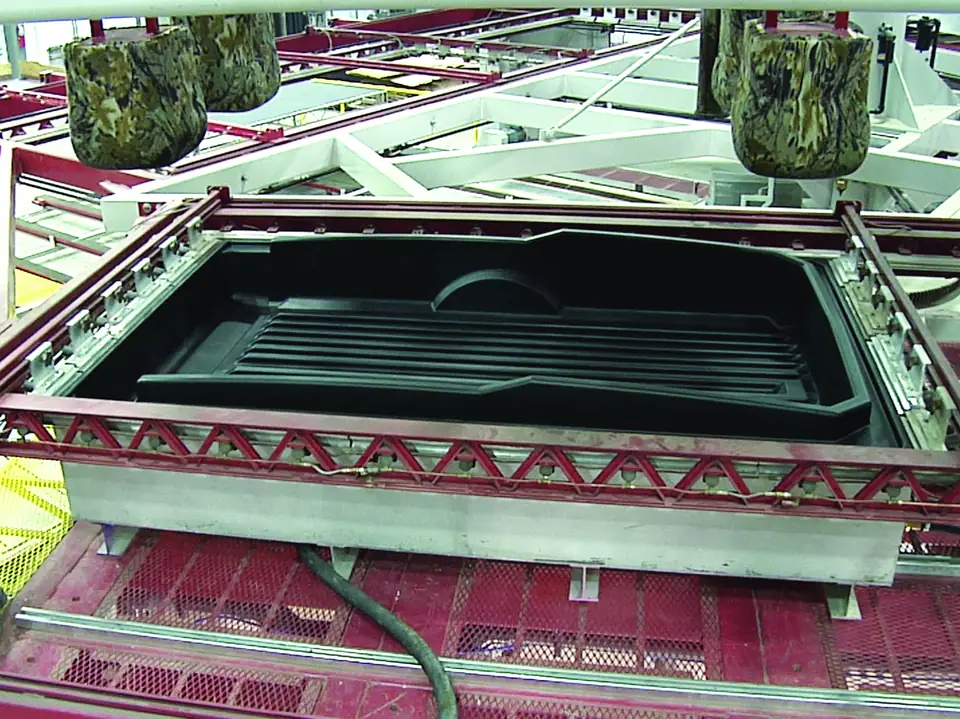
Large-format capability matters here too: imaging gantries, surgical carts, and floor-standing diagnostics need big single-piece covers, and heavy-gauge forming produces them with consistent wall and finish part to part.
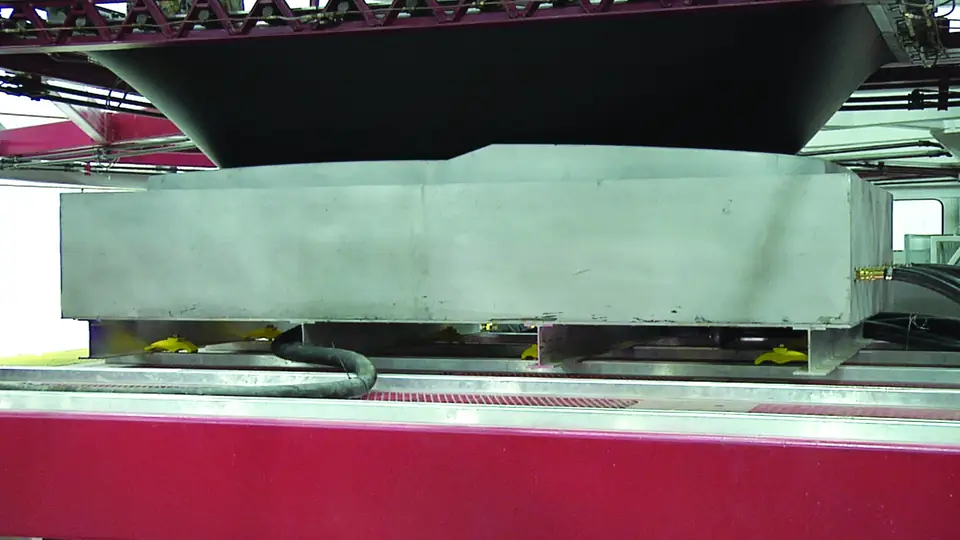
We build across the floor
Questions OEM engineers ask
Why choose pressure forming over injection molding for medical enclosures?
At the low-to-mid volumes of capital medical equipment, injection tooling rarely pays off. Pressure forming delivers a comparable Class-A cosmetic enclosure at a fraction of the tooling cost.
Can formed surfaces meet medical cleanability requirements?
Yes. Material and texture are selected for cleanable, wipe-down surfaces, and pressure forming reproduces the smooth Class-A finishes those requirements call for.
Can you form large covers for imaging and floor-standing equipment?
Yes. Large-format forming produces big single-piece gantry covers, cart shrouds, and equipment enclosures that would be impractical to injection mold.
Do you support the documentation medical programs require?
Engineering review covers material selection and manufacturability, and the program runs a defined prototype-to-production path with inspected first articles.
Send us the part. We'll tell you how to build it.
Upload your drawing or describe the program. NDA-friendly. We review every RFQ ourselves — response within 1 business day.