Heavy Equipment
& Agriculture
Operator-cab panels, fenders, shrouds, and tank covers at the size heavy equipment actually needs — formed in heavy-gauge plastic that outlasts sheet metal and outproduces fiberglass.
What heavy equipment parts can be thermoformed?
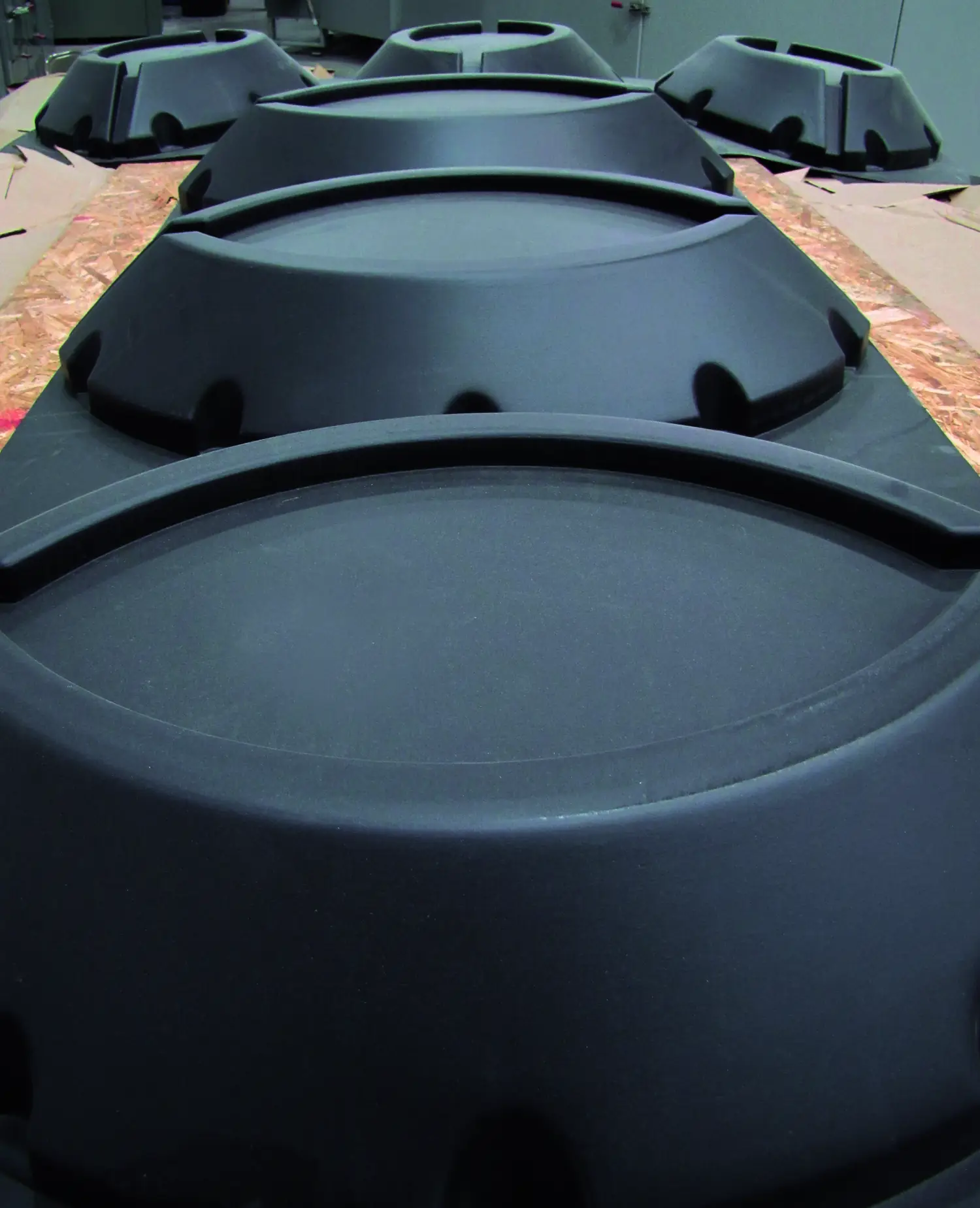
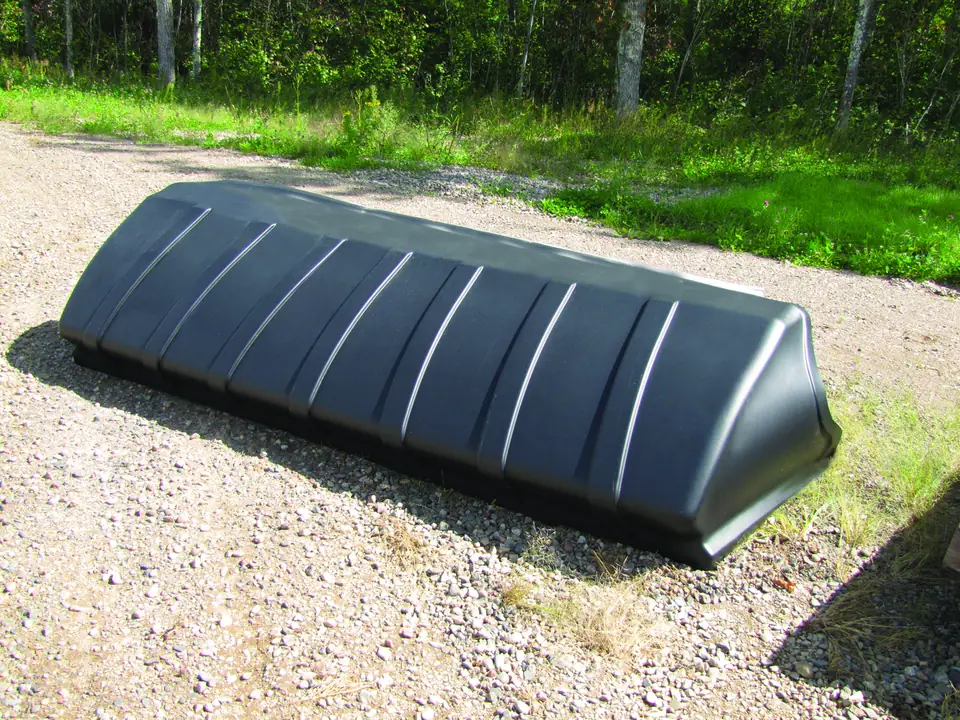
Heavy-gauge thermoforming produces large structural and cosmetic parts for ag and construction equipment: operator-cab panels, fenders, hoods, shrouds, fuel and DEF tank covers, battery boxes, step assemblies, and instrument housings — parts that replace welded sheet metal and hand-laid fiberglass at lower tooling cost.
Parts for Heavy Equipment
- Operator-cab interior and exterior panels
- Fenders and fender extensions
- Hoods, shrouds, and engine covers
- Fuel and DEF tank covers
- Battery boxes and step assemblies
- Instrument and console housings
Why this industry forms
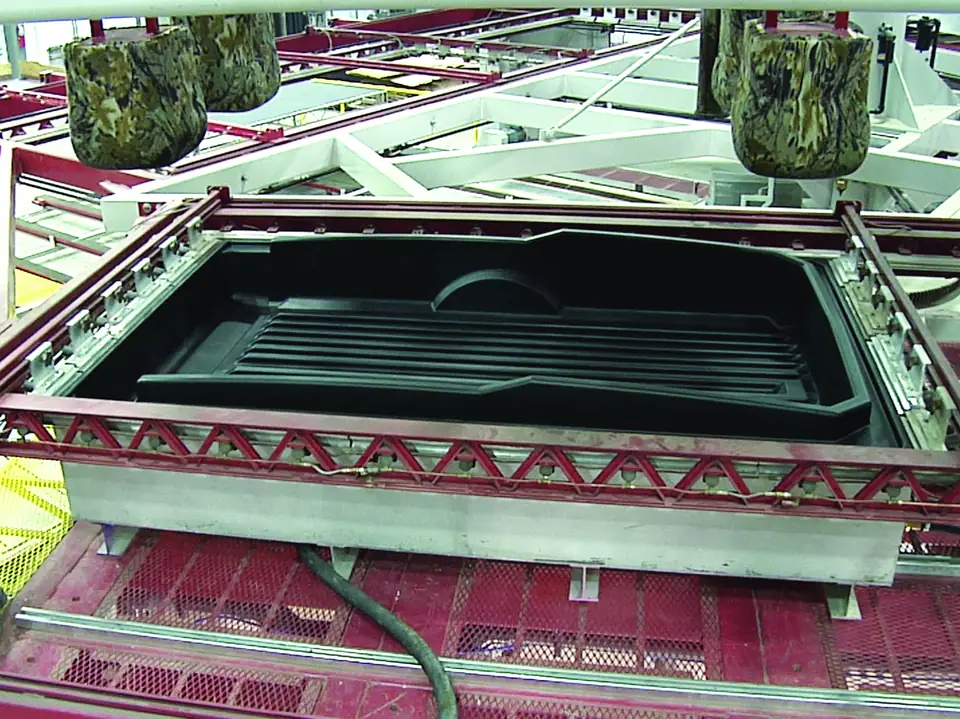
Heavy equipment lives outdoors under impact, UV, and vibration, and the parts are big — exactly where heavy-gauge thermoforming beats the alternatives. A formed panel replaces a welded sheet-metal assembly with a single corrosion-free part, and replaces hand-laid fiberglass with a repeatable, faster, cleaner process.
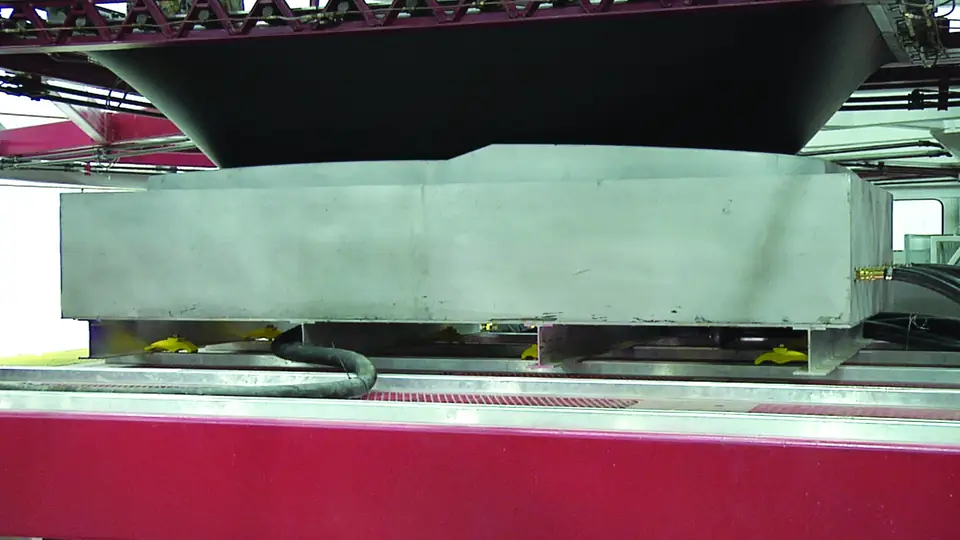
At the hundreds-to-thousands annual volumes typical of equipment programs, single-sided thermoforming tooling costs a fraction of injection molding while scaling to a 25 ft part the size of a full cab panel.
We build across the floor
Questions OEM engineers ask
Why use thermoforming instead of sheet metal for equipment panels?
A formed plastic panel is corrosion-free, lighter, and arrives as one part instead of a welded assembly. It needs no paint to resist the elements and absorbs impact that would dent metal.
Can you form parts large enough for a full operator cab?
Yes. The forming envelope reaches 25 ft long, 10 ft wide, and 6 ft deep, which covers full cab panels, large hoods, and one-piece shrouds.
What materials hold up in ag and construction service?
Impact-modified ABS, HDPE, HMWPE, and TPO are common for their UV, chemical, and impact resistance. Material is matched to the duty cycle during engineering review.
Is thermoforming cost-effective at our volumes?
For the hundreds-to-thousands annual volumes typical of equipment OEMs, single-sided tooling keeps entry cost far below injection molding while still producing production-ready parts.
Send us the part. We'll tell you how to build it.
Upload your drawing or describe the program. NDA-friendly. We review every RFQ ourselves — response within 1 business day.